

Silicone vs Hard AirPods Case: Which Protects Better?
Is silicone or hard case better for AirPods?
It depends on what “better” means for how you use your AirPods. A silicone case is usually better for everyday carry because it adds grip, cushions small drops, and won’t scratch the charging case. A hard case is often better for scuffs and sharp impacts, especially in a bag with keys or other gear, but it can feel bulkier and may show scratches on the case itself.
Silicone AirPods cases: best for grip and daily protection
Silicone is flexible and slightly tacky, which helps keep AirPods from sliding off desks, car consoles, or gym benches. It also absorbs minor shocks well, making it a solid choice for routine drops from pocket height. Another perk is comfort: silicone feels soft in-hand and is less likely to “clack” against other items.
Trade-offs: silicone can attract lint, and lighter colors may pick up staining over time. If you frequently toss your AirPods into a crowded bag, silicone can also snag on fabric more than a smooth hard shell.
Hard AirPods cases: best for scratch resistance and structure
Hard cases (often polycarbonate) add a rigid shell that helps prevent scuffs and protects against pressure—useful if you travel, commute, or pack your AirPods tightly. Many hard cases also keep their shape better and can look cleaner longer, especially in darker finishes.
Trade-offs: rigid cases may transmit impact instead of cushioning it, and some can fit too tightly or rub at contact points if the design isn’t precise. If you value a slim profile, check thickness and hinge clearance before buying.
Which should you choose?
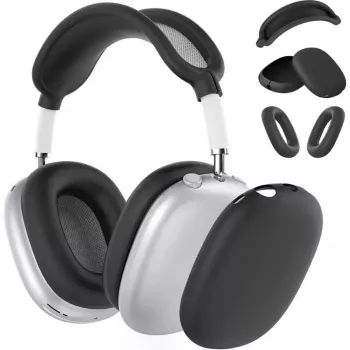
Choose silicone for a pocket-friendly, grippy, shock-absorbing everyday case. Choose hard if your biggest concern is scratches from rough carry or you want a more structured feel. For a closer look at soft protection options and fit details, see the guide here: https://prismelle.shop/guide-3-in-1-soft-silicone-airpods-max-protector-case/.
FAQ
Do AirPods cases affect wireless charging?
Most cases won’t interfere with wireless charging as long as they aren’t overly thick or made with metal components. If you use a MagSafe-style charger, a slimmer case typically aligns more reliably.













Leave a comment