


Tankless Water Heater: Will Your Electric Bill Increase?
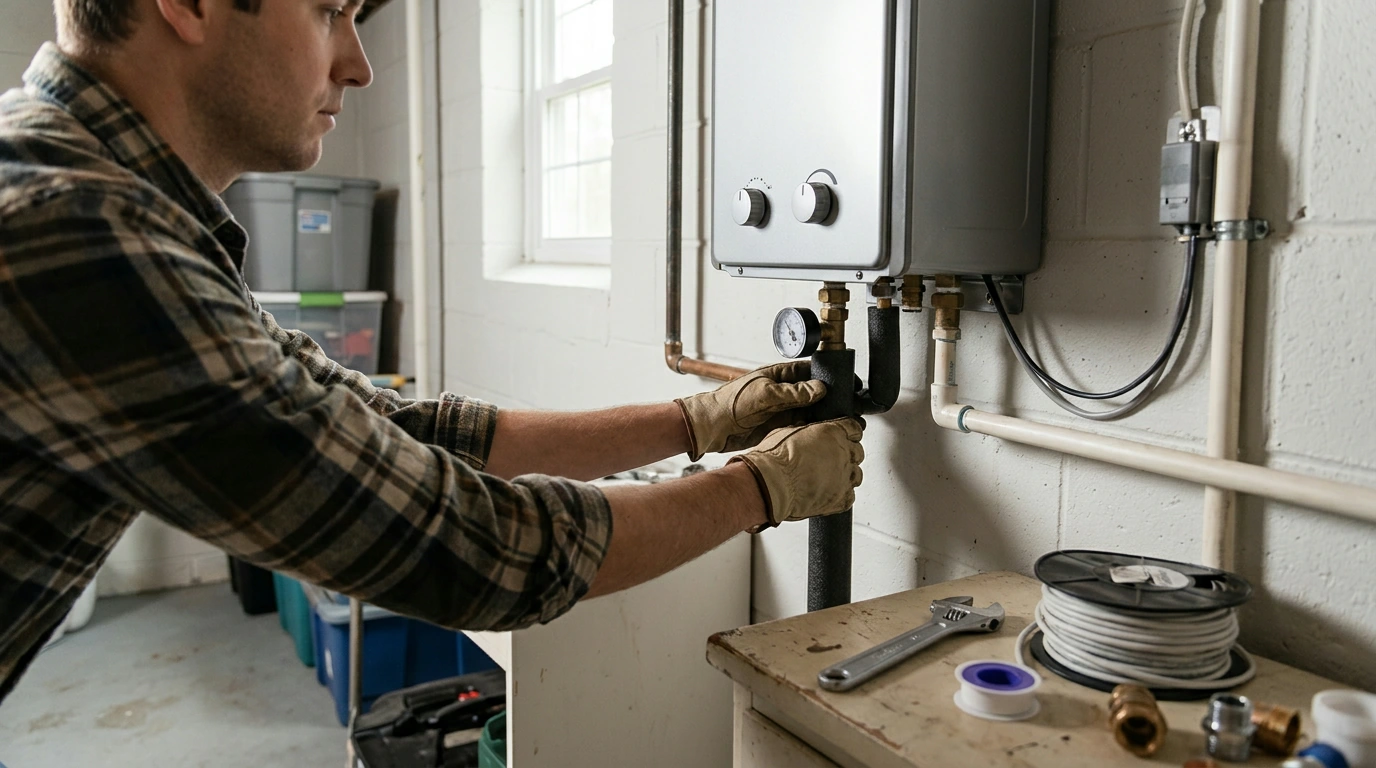
How much does your electric bill go up with a tankless water heater?
It depends on how much hot water you use and the heater’s power rating, but a tankless electric water heater doesn’t automatically mean a higher bill. Many homes see little change or even a decrease compared to a traditional tank heater because tankless units only draw power when you open the hot-water tap—there’s no all-day “standby” heating to keep a big tank hot.
To estimate the impact, focus on energy used (kilowatt-hours), not the heater’s wattage alone. A common way to ballpark cost is:
Cost per hour of running = (kW) × (your $/kWh rate)
For example, a 5.5 kW unit running at full power costs 5.5 × $0.15 = $0.83 per hour at $0.15/kWh. If your daily hot-water draw causes it to heat for a total of 20 minutes, that’s about one-third of an hour, or roughly $0.28 per day (~$8–$9 per month). Actual numbers vary because the heater rarely runs full blast continuously; it cycles based on incoming water temperature, flow rate, and your target temperature.
The biggest reason a tankless electric bill can rise is using more hot water because it feels “unlimited.” Longer showers, higher set temperatures, and multiple fixtures at once can increase total kWh. Another factor is climate: colder inlet water in winter requires more energy to raise the temperature.
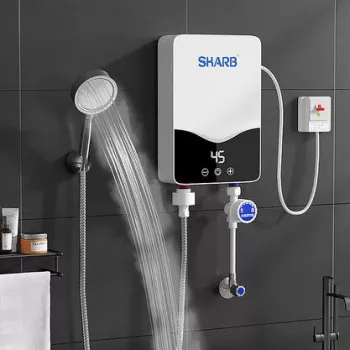
To match the right unit to your bathroom use and understand what a 5,500W instant heater can realistically deliver, see the detailed guide here: 5,500W instant tankless electric heater for bathrooms.
For Tankless Water Heater: Will Your Electric Bill Increase?, the best answer depends on fit, material, care instructions, and how the product will be used day to day.
Checking those details first helps avoid a poor match and keeps the choice practical after delivery.
FAQ
Does a tankless water heater save electricity compared to a tank?
Often, yes—mainly by eliminating standby heat loss. Savings depend on your usage pattern and how efficient your previous tank heater was.













Leave a comment