
Think Smarter: 7-Day Reset for Clearer Decisions

Think Smarter: Simple Habits for Clearer Decisions and Sharper Focus
Clear thinking isn’t a personality trait—it’s a skill set you can practice. The goal isn’t to “think harder,” but to think cleaner: notice mental shortcuts, ask better questions, and use small systems that reduce confusion. When information is messy or emotions run high, a few repeatable habits can make decisions feel calmer, faster, and more consistent.
What “thinking smarter” looks like in daily life
Smart thinking shows up in ordinary moments: replying to a tense message, choosing a budget, planning a project, or deciding what to do next when everything feels urgent. A sharper thinker isn’t someone with perfect logic—it’s someone with a reliable process.
- Separate facts, assumptions, and interpretations before reacting. (“What happened” vs. “what it means.”)
- Choose the next best question instead of chasing the perfect answer.
- Spot fatigue, stress, or distraction when it’s quietly driving the decision.
- Use simple checklists to stay consistent under pressure.
- Review outcomes so judgment improves over time (not just confidence).
These habits line up with what behavioral research has long suggested: humans rely on shortcuts when time and attention are limited. Daniel Kahneman’s overview of fast vs. slow thinking is a useful reference point for understanding why “feels right” can be persuasive but unreliable (Thinking, Fast and Slow (overview)).
The 3 layers of better thinking: clarity, accuracy, follow-through
Most decision problems aren’t one problem—they’re three. If any layer is weak, the final choice tends to wobble.
1) Clarity
Define the problem in one sentence, then name what “better” would look like. This prevents drifting into side quests, arguments about wording, or solving the wrong issue entirely.
2) Accuracy
Test beliefs with evidence, alternative explanations, and a quick bias check. Cognitive bias is simply a systematic thinking error, and it often shows up most when you’re rushed or emotionally loaded (APA Dictionary of Psychology: cognitive bias).
3) Follow-through
Turn conclusions into an action step with a deadline and a minimum viable plan. Many good decisions “fail” because they never become behavior.
Common failure point: doing accuracy work without a decision rule. That’s how analysis paralysis happens—more research creates more doubt, not more movement. A practical fix is to decide in advance what level of confidence is “good enough” for the cost of being wrong.
Quick self-check before a decision
| Check | Prompt | Why it helps |
|---|---|---|
| Define | What problem is being solved? | Prevents solving the wrong problem |
| Evidence | What facts support this? | Reduces guesswork |
| Alternatives | What else could be true? | Counters tunnel vision |
| Trade-offs | What is being given up? | Makes costs visible |
| Next step | What happens next and when? | Turns thinking into progress |
Mindset shifts that make your brain easier to trust
“Smarter thinking” gets easier when you stop treating every decision like a verdict about who you are. These shifts create breathing room—and that’s where better judgment shows up.
- From “be right” to “get closer to right”: treat beliefs as editable, not fixed.
- From “more information” to “better information”: prioritize quality, relevance, and timeliness.
- From “feelings as commands” to “feelings as signals”: notice emotion, then verify.
- From “busy” to “deliberate”: schedule thinking time for high-impact decisions.
- From “self-criticism” to “process improvement”: evaluate the method, not the person.
Practical tools for sharper thinking (no complicated system required)
You don’t need a new personality or a 40-step framework. A few small prompts used consistently can reshape how decisions are made.
A simple weekly checklist to improve judgment over time
| Category | Small action (10 minutes) | Example |
|---|---|---|
| Decision review | Re-run the decision with new info | Would the choice change today? |
| Bias check | Name one likely bias | Anchoring on the first number heard |
| Feedback | Request one critique | Ask a colleague to challenge the plan |
| Focus | Block one distraction | Two hours without notifications |
| Systems | Create one template | A 5-question decision note |
Digital guide spotlight: Think Smarter (eBook + checklist)
If you prefer quick frameworks over heavy theory, Think Smarter: A Simple Guide to Becoming a Better, Sharper Thinker (Digital Guide) is built as a quick-reference toolkit for everyday decisions, focus, and problem-solving. It’s designed to turn vague worry into a clear next step using prompts and structured reflection, with an instant digital format for fast look-ups during busy moments.
Small environment upgrades that support follow-through
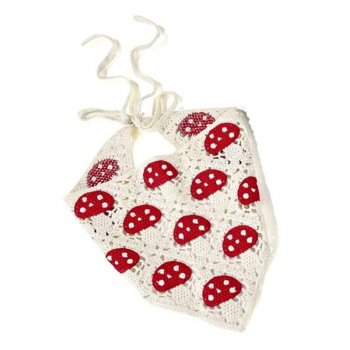
- hand-crocheted-cotton-triangle-scarf-headband-vintage-style-hair-accessory-for-women (a simple comfort upgrade that keeps hair and fidgeting distractions out of the way during focused work)
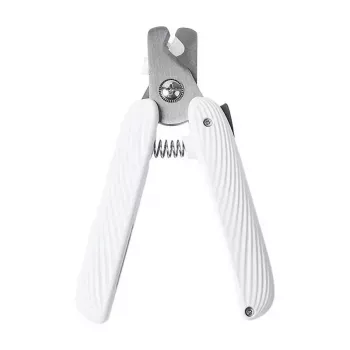
- led-illuminated-pet-nail-clipper-with-anti-splash-guard (a practical tool that can make a recurring task quicker and less stressful, freeing attention for higher-impact decisions)
Putting it into practice: a 7-day reset for clearer thinking
FAQ
How long does it take to become a better, sharper thinker?
Noticeable improvements can show up within a few days when you use simple prompts and checklists consistently. Deeper judgment gains compound over weeks as you review outcomes, capture lessons, and seek feedback.
What’s the easiest way to stop overthinking and make a decision?
Define what success looks like, generate a second plausible option, set a “good enough” confidence rule, and take a small reversible step. If risks feel fuzzy, run a quick pre-mortem and mitigate one likely failure point before committing.
Is a digital guide useful if motivation and focus come and go?
Yes—quick-reference checklists reduce reliance on willpower by lowering cognitive load and making next steps obvious. When interruptions happen, a short guide helps you restart without rethinking the entire problem from scratch.















Leave a comment