
Bathroom Water Heater Options: Safe Types & Fit
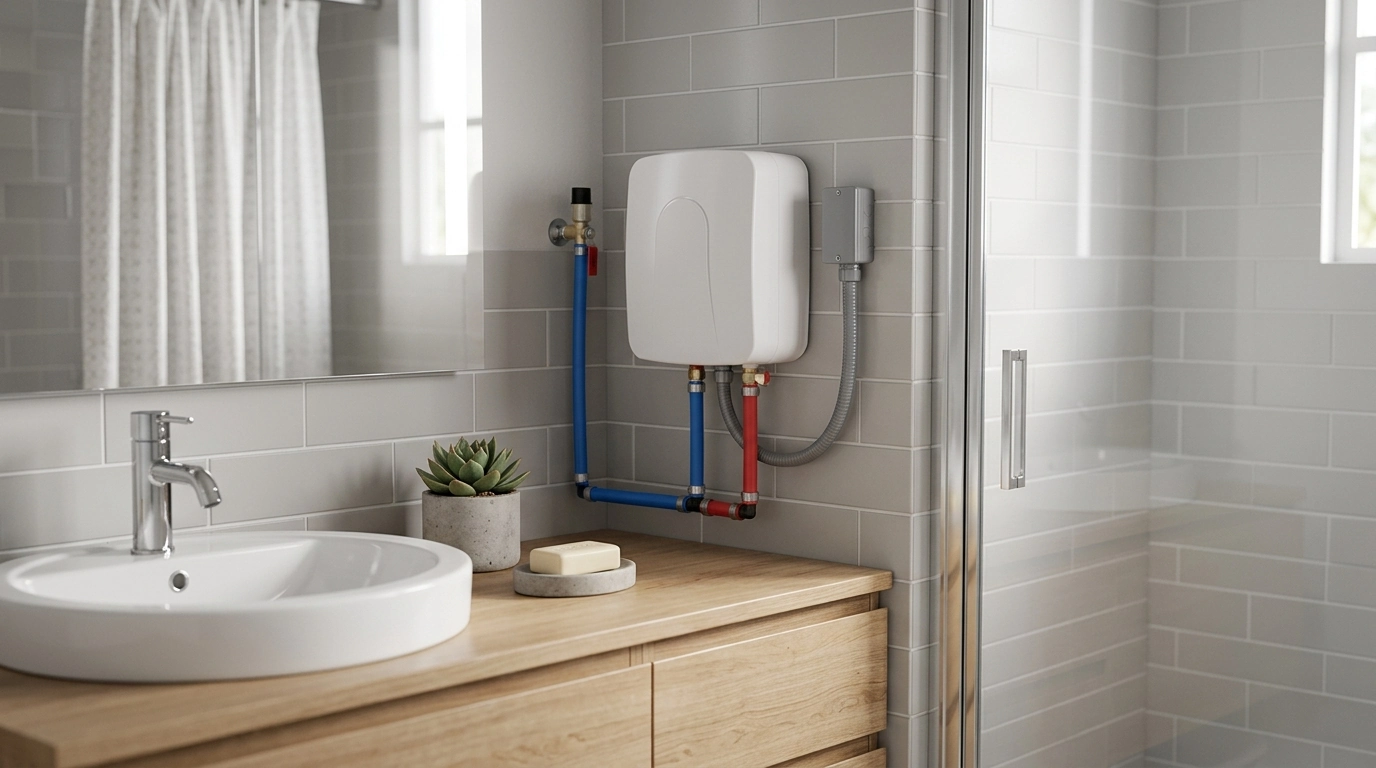
What type of water heater can be installed in a bathroom?
For a bathroom, the safest and most practical choices are usually compact, point-of-use water heaters designed for tight spaces and quick hot-water delivery. The best fit depends on your bathroom’s electrical capacity, ventilation, and whether you need hot water for a single fixture (like a sink) or a full shower.
Common bathroom-friendly water heater types
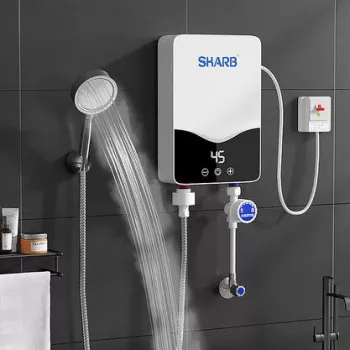
Tankless electric (instant) water heaters are a popular option for bathrooms because they don’t store hot water, take up minimal space, and can be mounted near the shower or sink to reduce wait time. Many homeowners choose a dedicated, higher-watt unit for a shower where consistent hot water matters most. For an example of a bathroom-focused unit and what to check before buying, see this guide to a 5500W instant tankless electric heater for bathrooms.
Mini-tank (point-of-use) electric heaters (typically 2.5–20 gallons) work well when you want simple installation and steady temperature at a sink. They’re also useful in bathrooms far from the main water heater, reducing the “cold sandwich” effect. The trade-off is limited hot-water capacity and standby heat loss.
Whole-home tankless (gas or electric) can serve multiple bathrooms, but installation is more involved. Gas models may require specific venting and combustion air, which can complicate placement near bathrooms and may not be allowed inside certain bathroom zones.
Bathroom installation realities to consider
Electrical load and wiring are often the deciding factor for electric tankless units. A shower-capable model may need a dedicated circuit and appropriately sized wire and breaker. Moisture and clearance rules matter too: the heater must be rated for the location and installed outside prohibited wet zones (and protected by GFCI where required). Finally, confirm flow rate needs: showers generally demand more power than a single-basin faucet.
FAQ
Can a tankless water heater run a shower and sink at the same time?
Sometimes, but only if the unit is sized for the combined flow rate and temperature rise. Many compact bathroom units are best for one fixture at a time, while larger models can handle simultaneous use.












Leave a comment