
Safest Portable Bathroom Heater: What to Choose

What is the safest portable heater for a bathroom?
The safest “portable” heater for a bathroom is one that keeps heating elements away from splashes, automatically shuts off if it tips or overheats, and minimizes exposed hot surfaces. In practice, many truly safe bathroom-warming options aren’t floor-sitting space heaters at all—they’re wall-mounted or hardwired units designed for damp locations. If a portable unit must be used, choose a model specifically rated for bathroom use (or explicitly approved for damp areas) and place it well outside the tub/shower splash zone, plugged into a GFCI-protected outlet.
What to look for in a safer bathroom portable heater
Start with protection features: tip-over shutoff, overheat shutoff, cool-touch housing, and a stable, low center of gravity. For bathrooms, also prioritize a sealed or guarded airflow path that reduces the chance of water reaching internal components. Avoid using extension cords, and keep the cord routed away from wet floors and traffic paths.
A safer alternative: instant tankless electric heating for bathrooms
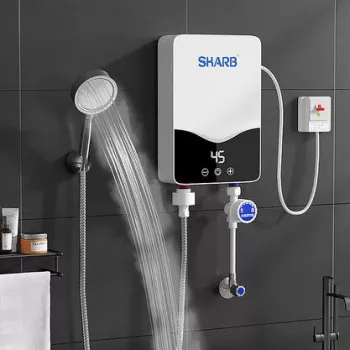
If the goal is safer warmth during showers and handwashing, heating the water at the point of use can reduce reliance on a portable space heater in a wet room. A compact instant tankless electric water heater can deliver hot water on demand without placing a glowing element or fan heater near moisture.
For a deeper comparison of bathroom-friendly heating approaches and what to check for, see the full guide here: 5500W Instant Tankless Electric Heater for Bathrooms.
FAQ
What are some safe heaters for bathrooms?
Wall-mounted bathroom heaters and hardwired units rated for damp locations are typically safer than floor units. If using portable, pick a bathroom-rated model with tip-over and overheat shutoffs and keep it far from water sources.
What type of heater is best for a bathroom?
A heater designed for bathrooms—often a wall/ceiling unit with proper damp-location rating—tends to be the best fit. It reduces the chance of accidental contact with water and is positioned away from the floor.
What type of portable heater is the safest?
Look for a portable electric heater with tip-over protection, overheat protection, a cool-touch exterior, and a sturdy base. For wet rooms, only use models explicitly approved for bathroom/damp-area use and always plug into a GFCI outlet.













Leave a comment