5 Common Criticisms of Montessori Toys (Explained)
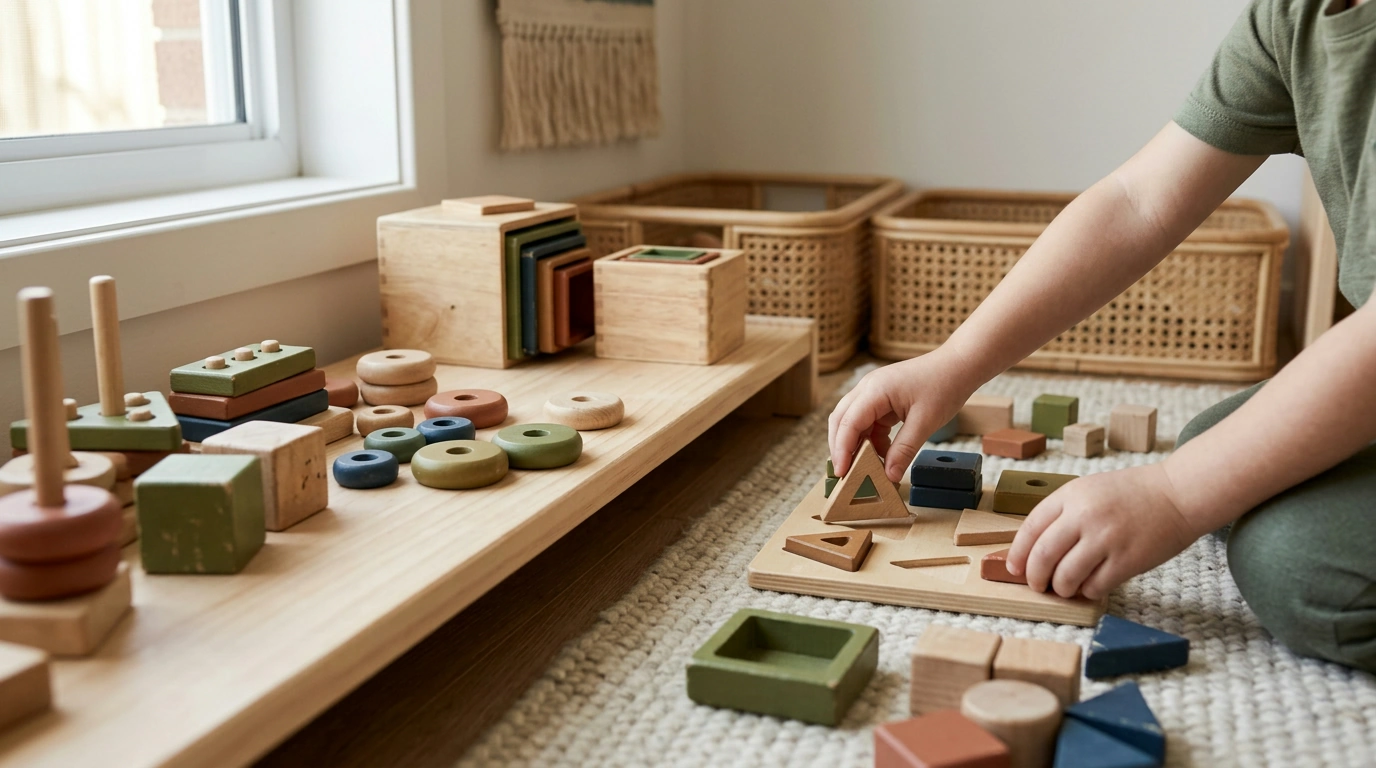
Montessori toys are popular for a reason: they’re designed to be simple, purposeful, and skill-building. Still, you’ll see a handful of recurring criticisms—some fair, some based on misunderstandings. Our team wants you to feel confident choosing toys that match your home, your child, and your day-to-day reality.
What are the common criticisms of Montessori toys?
“They’re too expensive.”
Quality Montessori-style toys are often made from solid wood, metal, glass, or durable textiles, and they’re built to last. That can raise the upfront cost. If budget is a concern, you can focus on a few high-use core materials (like stacking, posting, and simple puzzles) rather than trying to buy a full set at once.
“They’re boring or not entertaining enough.”
Many Montessori toys avoid lights, sounds, and flashy themes, which can look “plain” to adults. The goal is to support concentration and real-world skills, not constant stimulation. If you want more variety, rotate a small selection weekly and include open-ended items like blocks, play silks, or animal figures for storytelling.
“There are too many rules.”
A frequent critique is that Montessori play seems rigid: one toy, one purpose, one “right” way. In practice, you can keep the spirit (order, independence, reality-based learning) while allowing creativity. Choose toys that invite repetition but don’t punish imagination—like nesting sets, simple instruments, or building materials.
“It’s not inclusive of different interests or needs.”
Some families feel the aesthetic and activity choices skew toward quiet, fine-motor tasks. If your child seeks movement, pick Montessori-aligned options that support gross motor development, such as balance items, push toys for early walkers, or practical life tools that involve carrying, pouring, and wiping.
“It’s easy to buy the ‘wrong’ thing labeled Montessori.”
“Montessori” is often used as marketing. A good rule: prioritize real materials, a single clear skill focus, and a design that allows your child to self-correct. If a toy does everything for your child (or depends on batteries), it’s usually not Montessori-aligned.
If you want a deeper breakdown plus guidance on choosing well-made, genuinely skill-forward options, visit our full guide here: https://prismelle.shop/what-are-the-criticisms-of-montessori-toys/.
FAQ
Do Montessori toys have to be wooden?
No. Wood is common because it’s sturdy and tactile, but Montessori-aligned toys can also be metal, silicone, fabric, or glass when appropriate. What matters most is durability, simplicity, and a clear learning purpose.






Leave a comment