Smart 65L Self-Cleaning Litter Box: App + Ionic Odor
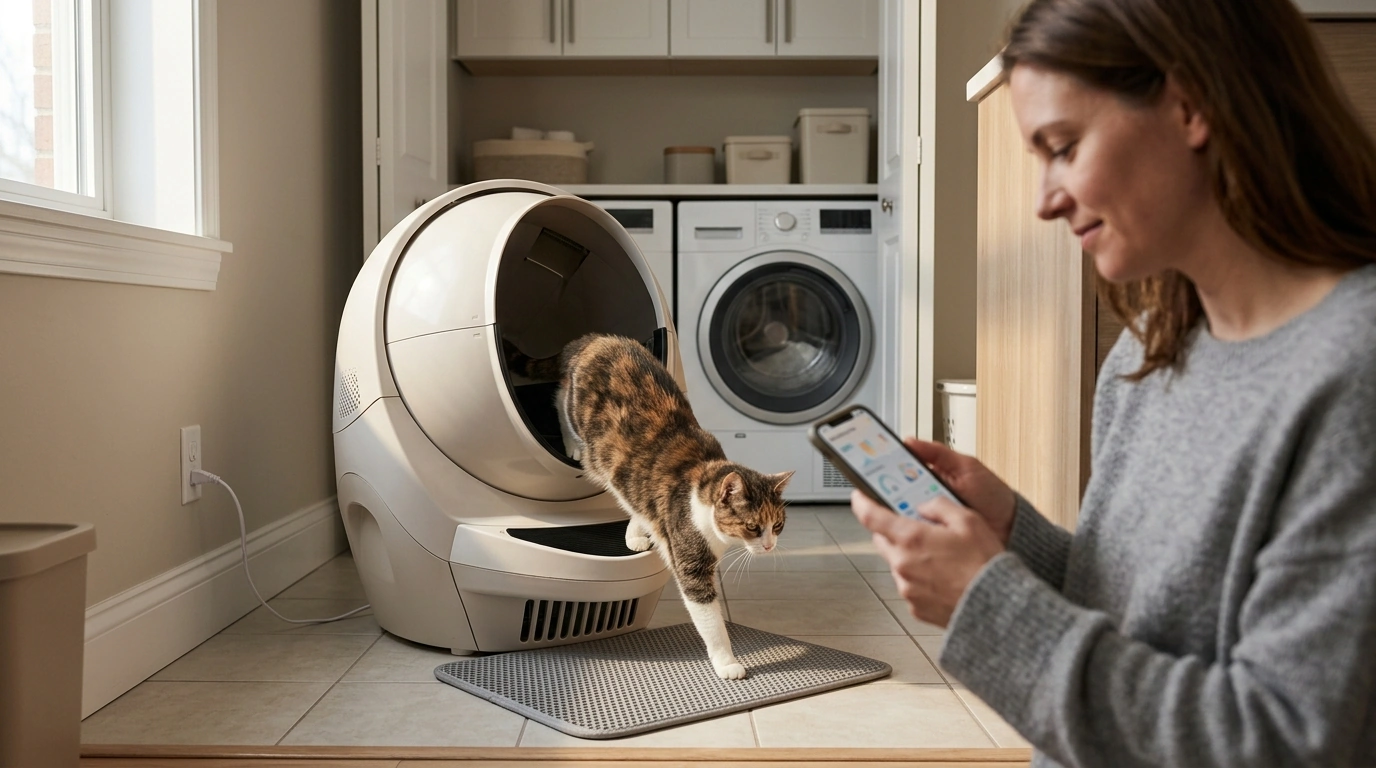
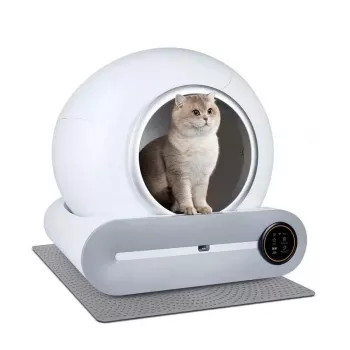
Automatic Smart Cat Litter Box (65L) with App Control and Ionic Deodorizer: A Cleaner Routine with Less Daily Scooping
Keeping a litter area clean is one of those small tasks that can feel constant—especially in apartments, multi-pet homes, or weeks when your schedule gets packed. An automatic litter box helps by handling routine scooping after use, reducing day-to-day mess and making it easier to stay ahead of odor. This 65L smart model pairs hands-off cleaning with app-based monitoring and an ionic deodorizer designed to keep the litter zone fresher between deep cleans.
What Makes a Smart, Self-Cleaning Litter Box Different
A traditional box relies on consistent manual scooping to keep the litter bed inviting. A smart, self-cleaning unit changes the rhythm of care by automating the most repetitive part of the routine and adding tools that help you manage maintenance more predictably.
- Automatic scooping after use helps keep the litter surface cleaner, which can encourage regular box use and reduce tracked mess.
- App control supports routine management without hovering—think status checks, alerts, and usage tracking (depending on the app’s features).
- Spacious 65L interior is designed to suit many adult cats, giving them room to turn, dig, and posture naturally.
- Ionic deodorizing aims to cut down lingering odors around the box area, which can be especially helpful in smaller living spaces.
If you’re planning an upgrade, start with a reliable core unit, such as the Automatic Smart Cat Litter Box with App Control and Ionic Deodorizer – 65L, then build a simple maintenance routine around it.
Core Features to Look For (and Why They Matter Day to Day)
Not every “automatic” box improves real-life routines. The best features are the ones that reduce small failures—missed cleanings, odor flare-ups, and stressful transitions—so the box stays usable for both cats and humans.
- App control: Useful for confirming a clean cycle ran, tracking activity patterns, and getting reminders so waste emptying doesn’t slip.
- Odor management: An ionic deodorizer can complement good litter habits by targeting airborne smell near the unit.
- Capacity and interior space: A 65L design can feel less cramped for larger cats and for cats that like extra room.
- Safety approach: Prioritize units designed to avoid running a cycle when a cat is inside. Always place the box on a stable, level surface.
- Quiet operation: Lower noise can improve acceptance for skittish cats and reduce nighttime disruption.
For broader cat-care guidance (especially around routine changes and stress), reputable references like the ASPCA’s general cat care pages can be a helpful complement to product instructions.
Quick Start Setup for Smoother Cat Acceptance
Odor Control That Actually Holds Up Between Cleanings
- Service the waste area on schedule: Deodorizing performs better when waste doesn’t sit for days.
- Use consistent clumping litter: Reliable clumps reduce residue left behind after automated cycles.
- Wipe contact areas regularly: A fast wipe prevents odor film from forming on rims, chutes, and nearby plastic surfaces.
- Ventilation matters: If safe, improve airflow (even modestly) rather than relying on heavy fragrance products.
- Monitor changes: A sudden odor increase can signal litter saturation, diet changes, or a possible health issue. For general wellness guidance, the American Veterinary Medical Association (AVMA) cat care resources are a strong starting point.
Common Odor Causes and Simple Fixes
| Odor cause | What it looks like | What to do |
|---|---|---|
| Waste left too long | Smell lingers even after cycles | Empty the waste compartment more frequently; confirm cycles are running as expected |
| Litter saturated | Ammonia-like smell, damp clumps | Replace litter; increase top-up frequency; verify correct litter type |
| Residue on surfaces | Odor strongest near rim/chute | Wipe with pet-safe cleaner; dry fully before use |
| Poor airflow | Odor spreads into nearby rooms | Relocate to a ventilated spot; avoid enclosed closets |
Cleaning and Maintenance Without Guesswork
- Daily: Confirm the unit completed cycles and that litter level is adequate.
- Weekly: Wipe high-contact areas and check for stuck clumps or buildup.
- Monthly: Deep clean removable parts (as applicable), then dry fully before reassembly to prevent clumping and odor retention.
- Use app notifications: Set reminders for waste emptying and cleaning intervals so upkeep doesn’t disappear during busy weeks.
- Hygiene: Wash hands after handling litter. If you’re pregnant or immunocompromised, follow precaution guidance such as the CDC’s toxoplasmosis prevention recommendations.
Choosing the Right Fit for Your Cat and Your Space
Everyday Add-Ons That Improve Comfort and Routine
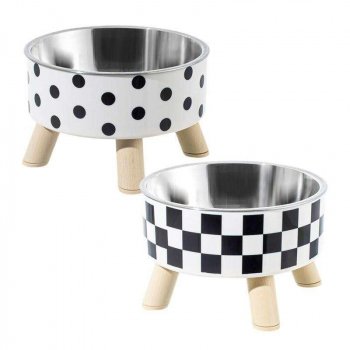
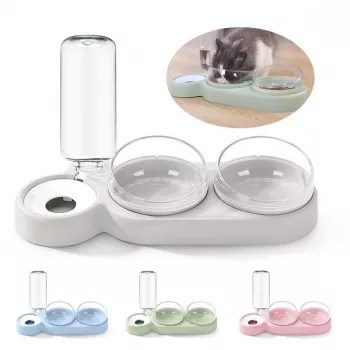
- Feeding ergonomics: An elevated bowl can support a more comfortable posture for some cats. Consider the elevated comfort cat small dog feeding bowl as a simple add-on near your feeding station (kept separate from the litter area).
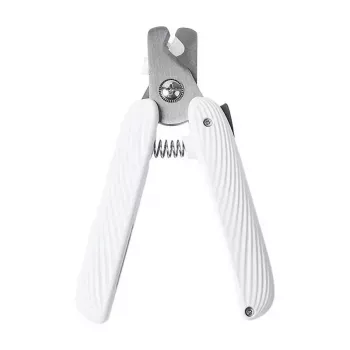
- Grooming support: Regular claw trims can reduce accidental scratches on plastic surfaces and help cats stay comfortable. The LED illuminated pet nail clipper with anti-splash guard can make quick maintenance easier, especially in low light.
- Tracking control: A litter mat plus a small cleanup kit (like a handheld vacuum) can noticeably reduce granules migrating into nearby rooms.
FAQ
How long does it take for a cat to get used to an automatic litter box?
Many cats adapt within several days to a couple of weeks. Start with the unit powered but idle, keep the cat’s usual litter, and enable automatic cycles only after consistent use. Keep a backup box available during the transition.
Does an ionic deodorizer replace regular cleaning?
No. It can help reduce odors between cleanings, but routine waste emptying and periodic wipe-downs are still necessary for hygiene and to prevent odor film buildup.
Is a 65L litter box big enough for large cats?
A 65L interior is typically roomier than standard boxes and can suit many adult cats. The best check is whether your cat can turn around comfortably and posture naturally without brushing against the sides.












Leave a comment