Feeding Your New Kitten: Food and Mealtime Tips
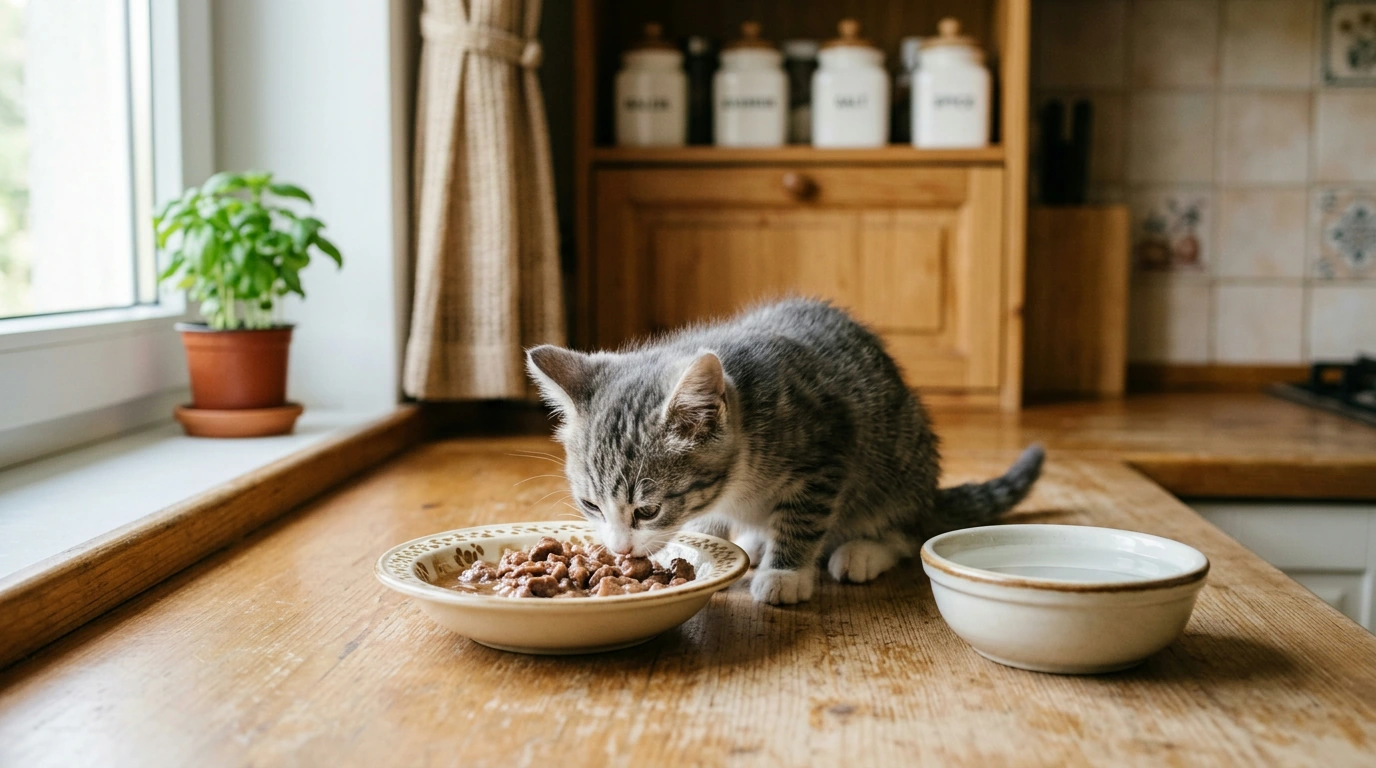
Bringing a kitten home is exciting, but the first few meals can raise plenty of questions. You may wonder whether to keep the food your kitten already knows, how much to offer, or when to make a change. A simple routine and guidance from your veterinarian can help you get started.
Our Feeding Your New Kitten Right eBook is a practical resource for exploring kitten nutrition and choosing a starting food. Pair it with advice tailored to your kitten, and you can approach mealtimes with more confidence.
Start with Food Made for Growing Kittens
Kittens grow quickly and need a diet formulated to support growth. When choosing a food, look for a nutritional adequacy statement on the label indicating that it is complete and balanced for growth or for all life stages. A food intended only for intermittent or supplemental feeding is not meant to be the sole diet.
The statement is different from a claim on the front of the package. The FDA’s guide to pet food labels explains how to find and interpret information about nutritional adequacy. Whether you choose wet food, dry food, or a combination, the label can help you identify an appropriate starting option.
Your veterinarian can recommend a plan suited to your kitten’s age, health, and growth. Bring the food package or a photo of its label to an appointment so you can discuss portions, feeding frequency, and any individual needs. Young kittens may need several meals a day, but the right schedule varies.
Make the First Mealtimes Feel Familiar
A new home brings unfamiliar sounds, smells, and routines. Before your kitten arrives, ask the previous caregiver what food they have been offering, how much they give, and when meals usually happen. If that food is appropriate for growth, keeping it initially when practical can make one part of the move feel familiar.
If you decide to change foods, introduce the new one gradually when practical. Start by mixing a small amount of new food into the familiar food, then increase the proportion of the new food over several days. Your veterinarian can suggest a pace that fits your kitten, especially if there are health concerns.
Contact your veterinarian if digestive upset persists or your kitten refuses food. Kittens can become unwell quickly, so a loss of appetite deserves prompt attention rather than a wait-and-see approach.
Set up a quiet, accessible feeding area away from the litter box, and keep fresh water available. Wash food and water bowls regularly. A calm spot makes it easier for you to notice how much your kitten is eating and whether their appetite changes.
A Simple New-Kitten Mealtime Checklist
| Consideration | What to do |
|---|---|
| Food | Choose a complete food labeled for growth. |
| Routine | Follow the food label and your veterinarian’s portion and feeding-frequency advice. |
| Changes | Introduce a new food gradually when practical. |
| Water | Keep fresh water available. |
Use the eBook to Get Started
There are many foods and feeding approaches to consider, and you do not have to sort through every option at once. Our Feeding Your New Kitten Right eBook focuses on essential kitten nutrition and choosing a food to start with. It is listed at $37.99.
Use the eBook as a practical companion while you build your kitten’s routine, not as a replacement for veterinary advice. You can use what you learn to prepare questions for your kitten’s next appointment and feel more comfortable reading food labels.
For another part of your new-pet preparations, our Must-Know Pet First-Aid Cheat Sheet is a printable guide listed at $7.99. Keep your veterinarian’s contact information and an emergency clinic number handy as well; a guide does not replace urgent veterinary care.
Keep an Eye on Growth and Appetite
Regular veterinary checkups give you a chance to review your kitten’s weight, body condition, and feeding plan as they grow. At home, pay attention to normal habits: how eagerly your kitten approaches meals, how much food is left, and whether their energy seems typical. Sharing changes with your veterinarian can help them assess what your kitten needs.
Portions may need adjustment as your kitten develops. Food labels provide a starting point, but your veterinarian can help you interpret those directions for your individual kitten. The Cornell Feline Health Center’s feeding guide offers additional background on feline nutrition and feeding.
Contact a veterinarian promptly if your kitten stops eating, seems lethargic, or has persistent vomiting or diarrhea. Our team encourages you to ask for help whenever a change worries you: early guidance can make it easier to address a problem and get mealtimes back on track.
FAQ
What food should I start my new kitten on?
When practical, start with the food your kitten already knows, provided it is complete and formulated for growth. Ask your veterinarian for guidance suited to your kitten.
How often should I feed my kitten?
Feeding frequency depends on your kitten’s age and individual needs. Follow the food label and consult your veterinarian about a suitable schedule.
Can I change my kitten’s food straight away?
When practical, introduce the new food gradually by mixing it with the current food over several days. Contact your veterinarian if digestive upset persists or your kitten refuses food.











Leave a comment